
Not all Payment for Ecosystem Services schemes become sustainable simply because payments are introduced. Their long-term success depends on how well they are designed, how they respond to local conditions, and how effectively they connect environmental goals with social and economic realities. This is the central message of a new study published in Ecosystem Services, titled “A global analysis of key design factors for sustainable payment for ecosystem services schemes.” The article, led by Mona Nazari together with Nelson Grima, Giorgia Bottaro, Mireia Pecurul-Botines, Helga Pülzl, and Harald Vacik, provides a global analysis of PES design and its role in supporting environmental, social, and economic sustainability.
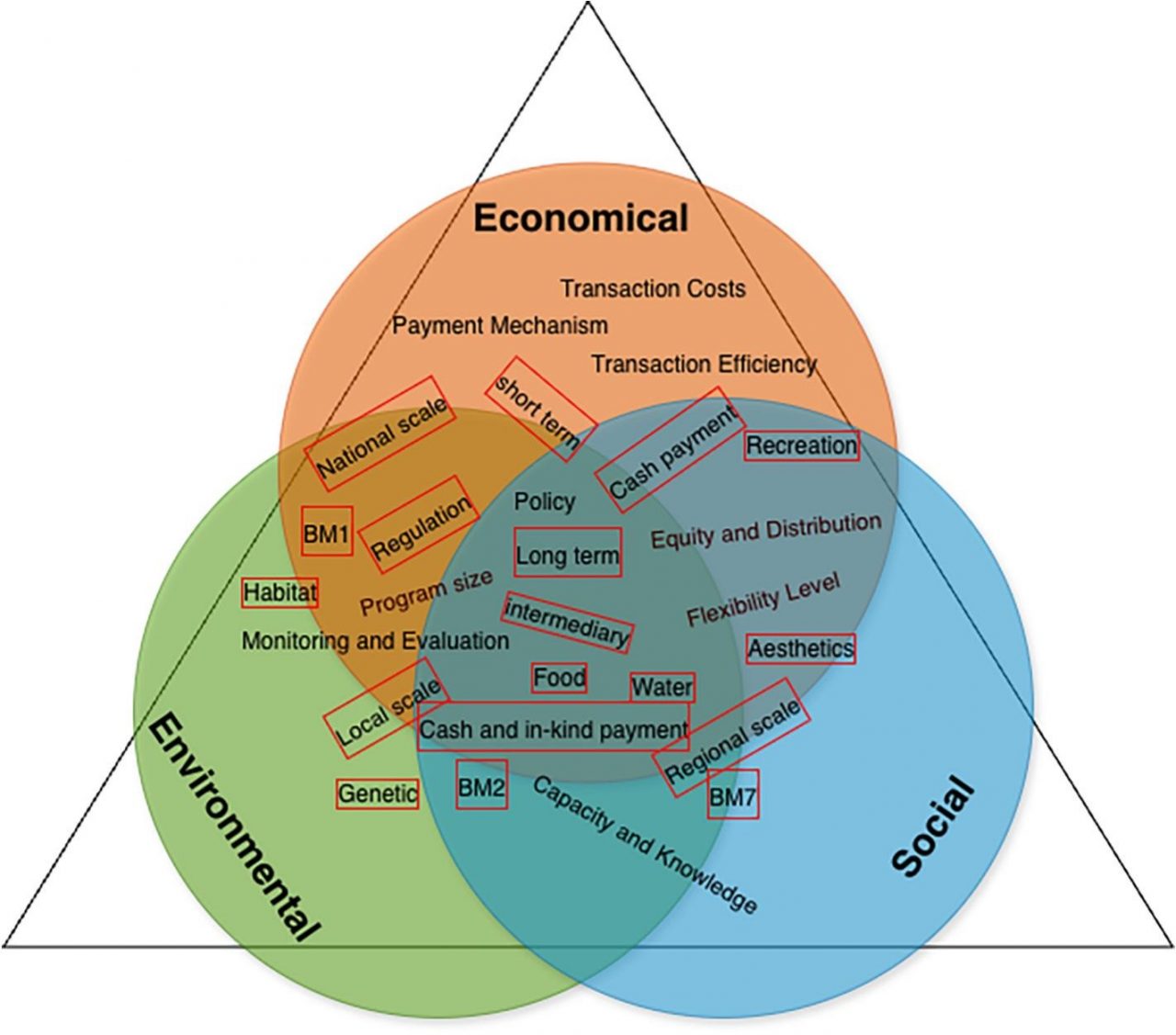
The publication builds on the broader work of the NOBEL team, which brings together partners from different European countries to develop novel business models and mechanisms for the sustainable supply of and payment for forest ecosystem services. Within this international research setting, the new study contributes evidence that can help improve how PES schemes are designed, adapted, and implemented across different regions and governance contexts. Drawing on 161 empirical PES cases worldwide, the study examines a set of key design factors, including geographic location, ecosystem service type, spatial scale, temporal scale, compensation type, the presence of intermediaries, and business model. By looking at how these factors interact, the authors identify patterns that explain why PES schemes differ in their sustainability outcomes.
Key findings from the research
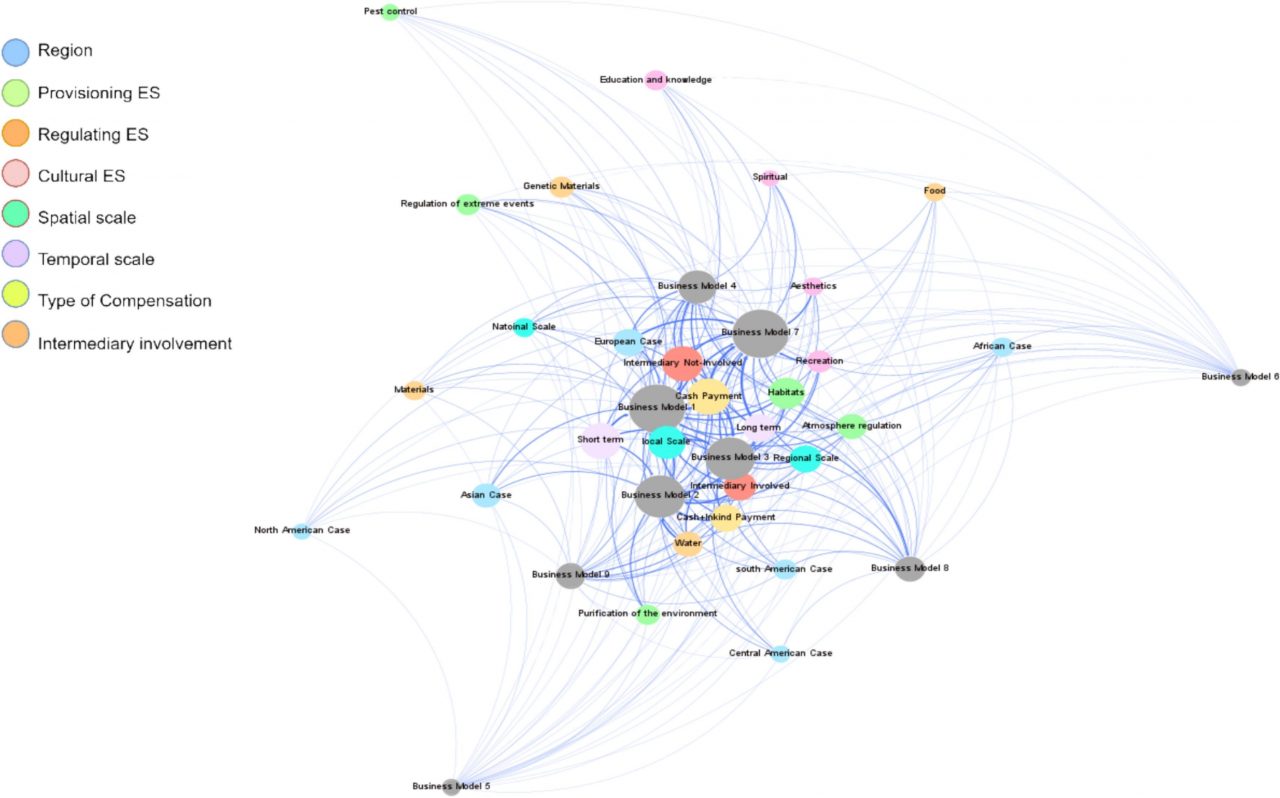
One of the important findings is that water provisioning services are the most common focus of PES schemes, while many schemes are implemented at the local scale and rely on long-term agreements. This highlights the importance of place-based design and stable commitments when PES schemes aim to support lasting ecosystem service provision. The study also shows that public-private and private-private business models are widely used, although their effectiveness depends strongly on regional conditions. This finding is especially relevant for the NOBEL project, where business models and policy mechanisms are central to exploring how forest ecosystem services can be maintained, valued, and rewarded. Another key point concerns the role of intermediaries. Although their involvement has changed over time, intermediaries remain important in regions with more complex governance structures. They can support coordination, facilitate agreements, and help connect service providers, beneficiaries, institutions, and funders. The research also uses network visualization to explore how PES design factors interact. This reveals three dominant PES design types, showing that PES schemes are shaped by regional priorities and socioeconomic conditions. For example, high-income countries tend to prioritize long-term cultural services, while low- and middle-income countries often focus more on short-term provisioning needs.
Why this matters
The findings show that there is no single universal model for successful PES schemes. Instead, sustainable PES design requires careful attention to context, long-term institutional and financial support, and compensation mechanisms that fit the needs of both ecosystem service providers and beneficiaries. This message is directly connected to the objectives of NOBEL, which aims to support innovative approaches for forest ecosystem services through business models, payment mechanisms, spatial information, and European pilot demonstrations.
A contribution to future PES design
This publication offers valuable guidance for researchers, policymakers, practitioners, and project partners working on ecosystem service governance. By bringing together evidence from 161 global PES cases, it provides a clearer understanding of the key design factors that shape PES schemes and shows how their different attributes can be combined to support more effective, adaptive, and sustainable outcomes.
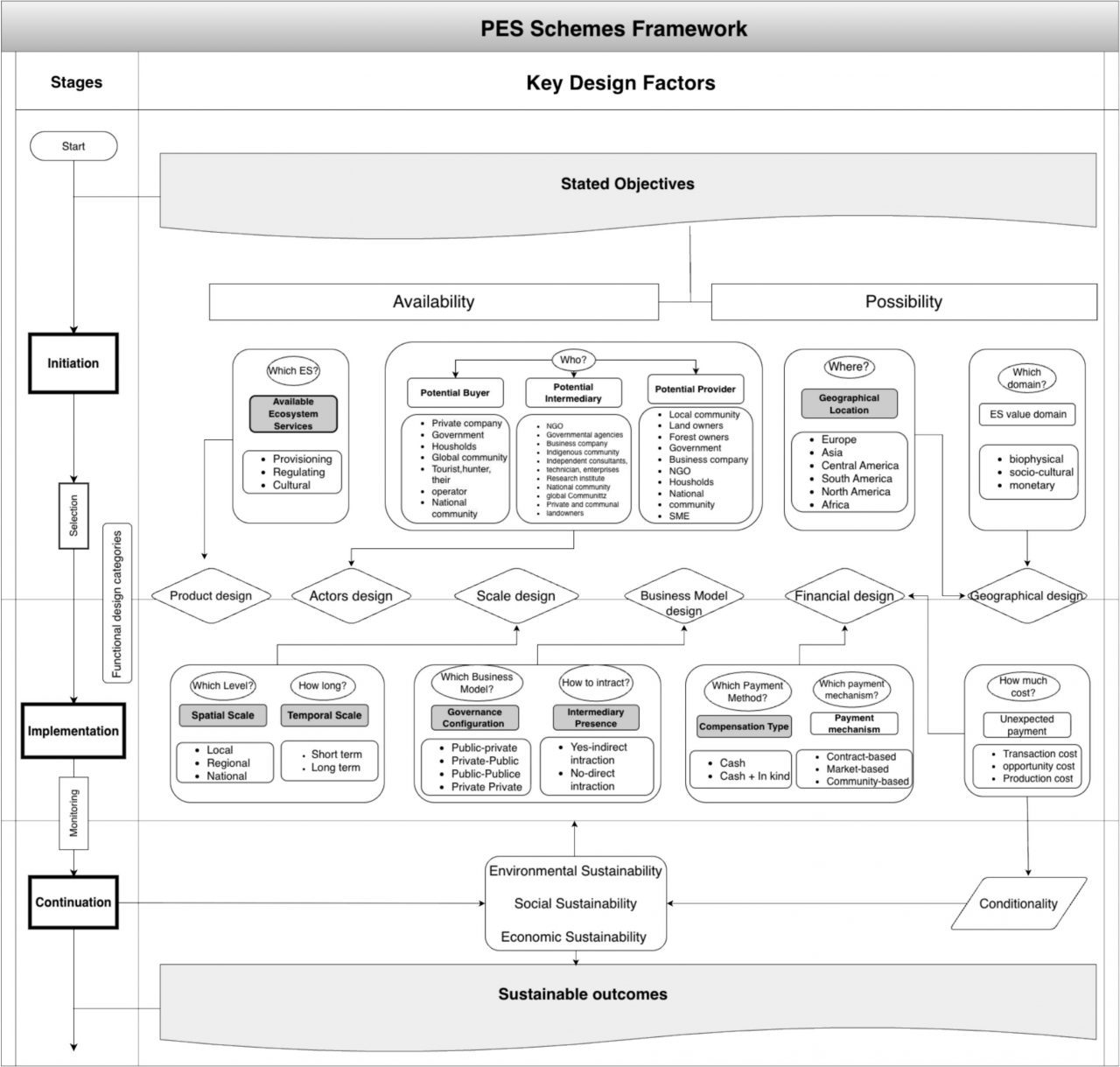
In sum, the study shows that sustainable PES schemes are not only about creating payments. They are about designing the right combination of actors, incentives, time frames, governance arrangements, and business models for the specific context in which they operate.
For further details, please refer to the full article:
Nazari, M., Grima, N., Bottaro, G., Pecurul-Botines, M., Pülzl, H., & Vacik, H. 2026. “A global analysis of key design factors for sustainable payment for ecosystem services schemes.” Ecosystem Services, 79, 101846